Chia sẻ từ khách hàng về VNEXT
V-CUSTOMER
Dedicated development team for a Japanese distribution and logistics SIer
28/07/2026
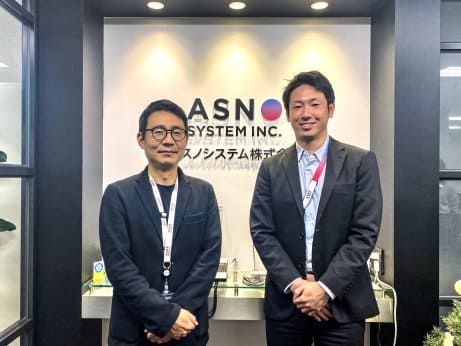
Asuno System Co., Ltd. is a Japanese system integrator (SIer) specializing in core systems for the distribution and logistics sectors. With nearly two decades of offshore development experience, the company builds and delivers complex enterprise applications for domestic clients, including major players in Japan's food service industry.
Partnership overview
Asuno System partnered with VNEXT to take over and complete a Magento-based app for a major restaurant chain, mid-development and up against a looming release date. VNEXT quickly assembled a team of skilled Magento engineers, led by a project manager experienced in Japanese retail systems, handling the full development work while Asuno System managed client communication, requirements definition, and quality control. What began as a single project soon evolved into a lab-type dedicated development team model, now covering ongoing maintenance, feature enhancements, and new app development, sustained by deep shared understanding, preliminary workshops on Japanese business context, and a close, one-team collaboration.
Testimonial details
Q: When your client first approached you about this project, what challenges did your company face?
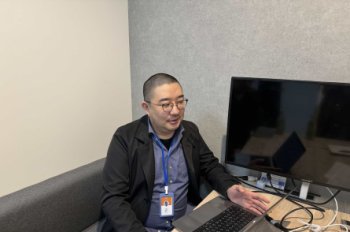
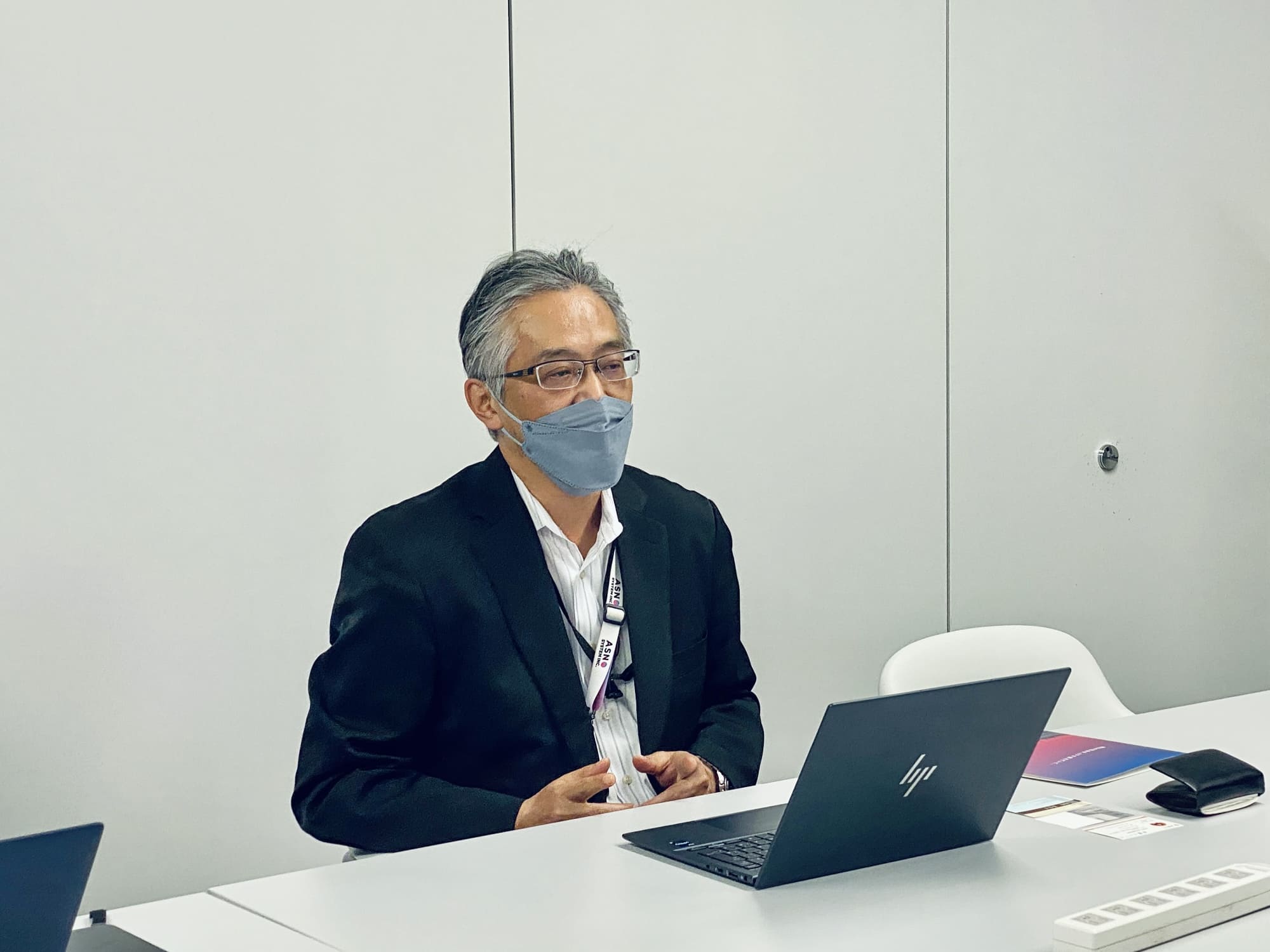
Mr. Yamada: Our client, a major domestic food service company in Japan, asked us to take over an app that was still mid-development and bring it to completion. The problem was that we had very few engineers who could work with Magento, the platform the app was built on.
As an SIer, we have extensive experience with offshore development centered in Asia, but even our existing partner companies had almost no engineers skilled in Magento. So we cast a wide net to find a company that could handle it. Among the candidates, VNEXT stood out for being able to assemble a capable team quickly, and that's why we chose them.
Q: What kind of development did you entrust to VNEXT?
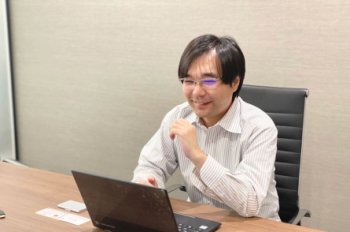
Mr. Yamamoto: Since this was a handover from a project already partly developed by another company, we started by analyzing what had been built and applying the necessary fixes. We handle client communication, upstream processes such as requirements definition, quality control, and testing, while VNEXT handles the actual development work.
It began as a single-project engagement, but because the release required ongoing maintenance, improvements, and new feature additions, we've since shifted to a lab-type development model.
Q: How was VNEXT's development quality?
Mr. Yamada: With little in-house Magento expertise on our side, it was reassuring that VNEXT gathered engineers who knew Magento well and could assess the quality of what had already been built. It especially helped that VNEXT's project manager had experience developing systems for the Japanese retail industry.
Q: What were the results of adopting VNEXT's offshore development?
Mr. Yamamoto: In terms of app quality, our client's standards are high, so there's still plenty to refine going forward. But the client's desired release date was already looming when we took on the project, and I think VNEXT responded well under real time pressure.
The engagement later grew into a new order to develop an app for ordering restaurant menu items as takeout. I believe that happened because our team and VNEXT's worked so well together. For that project, we again chose VNEXT, given that it was also Magento-based, that their knowledge of Japanese restaurants was steadily accumulating, and that they'd grown familiar with how we work.
Q: What do you think is key to continuing offshore development on a lab basis rather than project by project?
Mr. Yamada: Precisely because it's lab-type, shared understanding and communication with the engineers become the biggest keys.
With a lab, you have to scale up personnel, and some new members aren't familiar with how the Japanese retail and restaurant industries work. This time we didn't place a bridge SE, so we brought in a communicator (interpreter) for those who don't speak Japanese. But when it came to business customs and intuitive business sensibilities that don't exist in Vietnam, it did take time to get things across.
Mr. Yamamoto: The multiple payment methods and the need for takeout set menus were particularly hard to convey. This information may not relate directly to development itself, but it's an app used by people living in Japan. To improve usability, understanding "why this service exists," "why this feature is needed," and "how it's actually used" is essential. So we set aside proper time and ran preliminary workshops to build that understanding.
We've now been in the lab structure for a year, and I feel both sides understand each other far more deeply.
Q: Offshore development makes communication essential. With web meetings at the center, it's much like a fully remote environment. In that context, what was your impression of meeting the development team in person?
Mr. Hirose: Mr. Yamada and I visited the development lab in Vietnam once.
We have plenty of offshore development experience in Vietnam and other countries, but VNEXT's engineers gave the impression of being very calm and eager to learn. Even in the lab, they stayed focused on their work without idle chatter during working hours, yet chatted warmly and cheerfully during breaks. The team atmosphere felt genuinely great.
Mr. Yamamoto: It's true, VNEXT is well-knit as a team, and the overall atmosphere is good. Even with a long-running lab structure, personnel changes are inevitable. It's common for new members to take time settling in, but at VNEXT, the team follows up properly with newcomers, so they pick things up quickly. Because new members ramp up fast, the work ends up being efficient.
Q: What are Vietnam's strengths in offshore development?
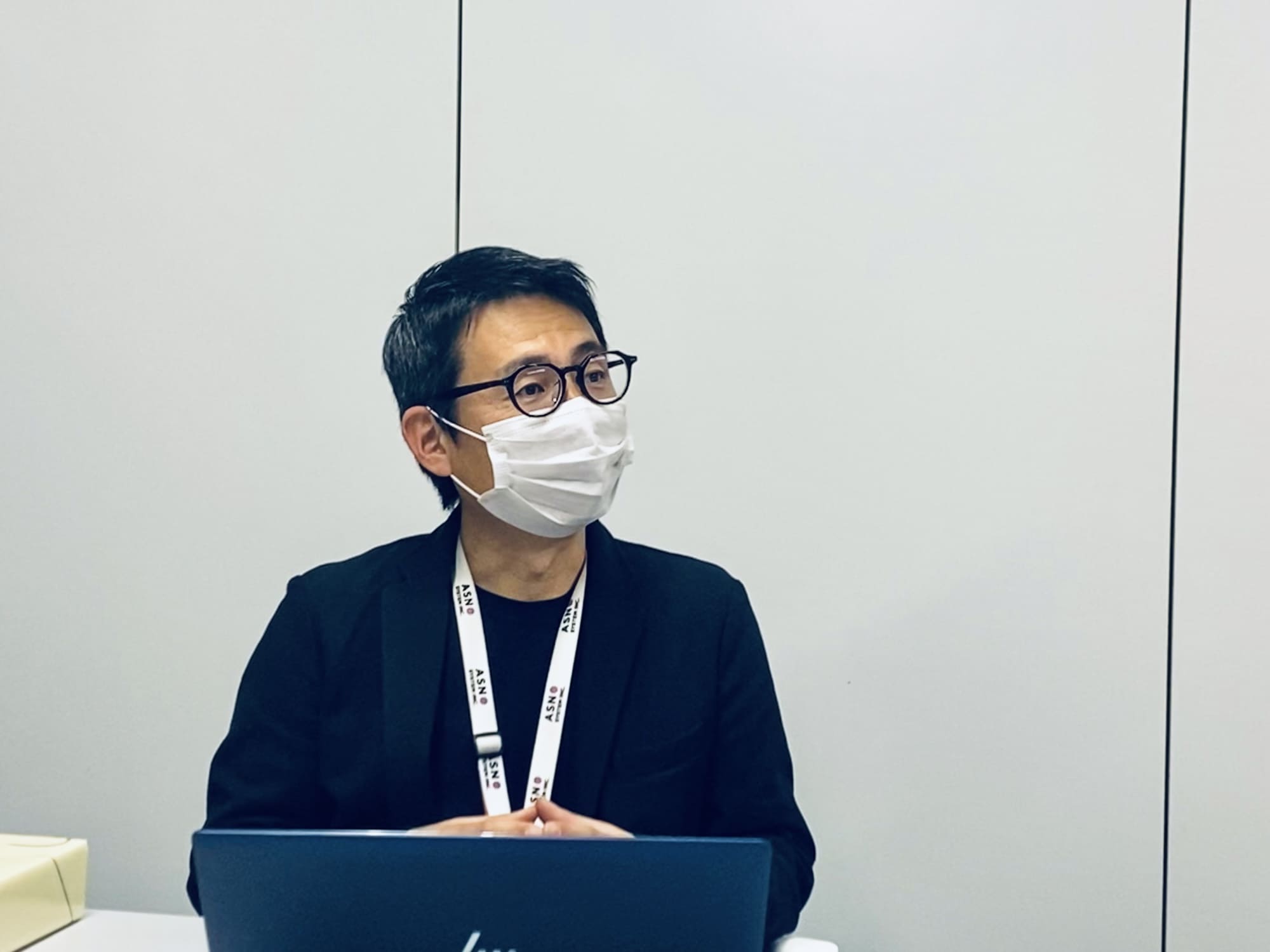
Mr. Yamamoto: I feel their attitude toward work and tasks is close to Japan's. Many are highly flexible and respond sincerely to our circumstances. This is true not only of VNEXT's members but of the Vietnamese people we've worked with across the board. That makes it very easy to work together.
Q: Is there anything you keep in mind to make offshore development run smoothly?
Mr. Yamada: We've been doing offshore development since 2003, so we have nearly 20 years of experience, and the most important thing in offshore development is communication. Countries and regions differ, so cultures differ too. The unspoken nuances that come across naturally between Japanese people simply don't translate. Aligning on those points is necessary.
One of our roles is to bridge the client and the development members, so in the initial workshops and everyday meetings, we make a point of carefully conveying Japanese business practices, customs, and industry context.
Mr. Yamamoto: That's right. Not just culture, but attitudes and ways of thinking about work differ too, so we're careful to communicate closely to close those gaps. As one measure, even when we think something has been understood verbally, we always put it in a document. We align understanding through documentation, so that misunderstandings never surface later.
Q: And in terms of quality?
Mr. Yamamoto: In Vietnam, people are eager to learn, so there are many with high technical skill. That said, in the rush to meet schedules, quality can sometimes slip a little, so that's an area we need to manage firmly.
But that too is partly a matter of experience and differing perspectives. It's about helping them understand differences in scale, such as access volumes and load concentration, and above all conveying that quality matters most, so we can raise it together. I feel their willingness to cooperate on that front is very strong.
Q: What do you hope for from VNEXT going forward?
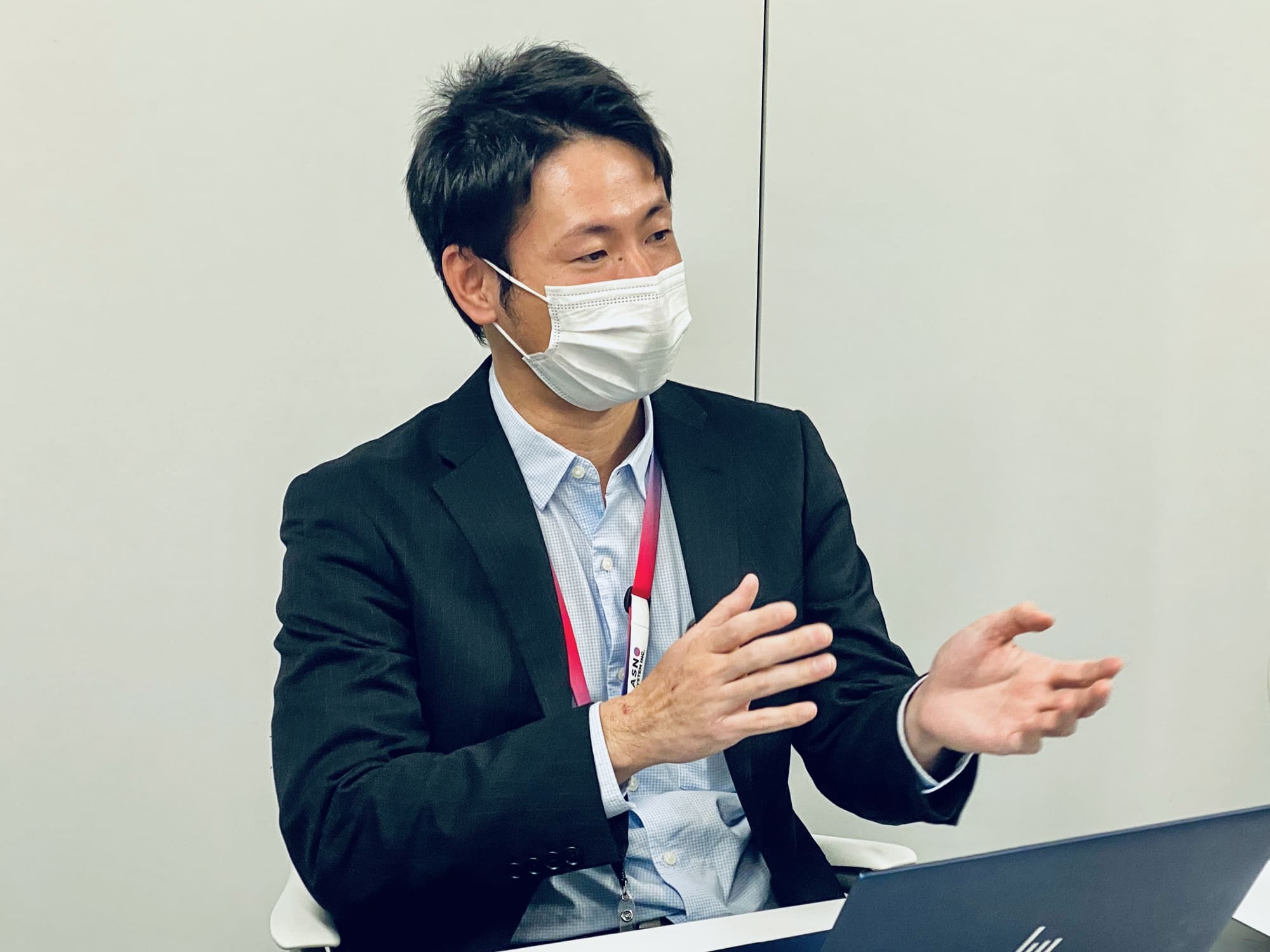
Mr. Yamamoto: Over the past year, both sides have grown in experience and knowledge. They approach the work very positively, and both I and the members on the ground feel we're one team. Our client expects even higher quality, so we'd love to keep building great things together. This time it was technical support through a form we'd never taken before, as a subcontractor to an SIer, but it became a project that opened up new possibilities for this kind of collaboration.
***
About VNEXT HOLDINGS
Evolving from VNEXT SOFTWARE, founded in 2008, VNEXT HOLDINGS is a trusted AI-augmented software development and digital transformation (DX) partner. Headquartered in Vietnam with representative offices in Japan, our team of over 550 specialists has delivered more than 800 projects for over 400 clients across the Asian market, with expertise spanning custom web and app development, AI and ML, blockchain, enterprise system solutions, SAP ERP, legacy modernization, and offshore development.
Drawing on deep experience across manufacturing, retail, healthcare, finance and fintech, logistics, and education, we apply globally recognized standards to help enterprises modernize, scale, and compete with confidence. Committed to supporting businesses at every stage of their DX journey, VNEXT HOLDINGS combines AI-powered services and solutions with an AI-augmented workforce to deliver greater speed, scalability, and quality.