Chia sẻ từ khách hàng về VNEXT
V-CUSTOMER
Building true HRTech partnerships with VNEXT through offshore development
28/07/2026
Brain Lab Co., Ltd. is a Japan-based provider of HR-focused CRM and HRTech solutions, and a subsidiary of Zigen, Inc. (listed on the Tokyo Stock Exchange Prime Market). It operates flagship B2B web platforms including "CAREER PLUS" for recruitment and "MatchinGood" for staffing agency management, used daily by hundreds of corporate clients, while launching new ventures each year to drive continuous growth.
Partnership overview
Brain Lab partnered with VNEXT to strengthen the software development behind its HRTech solutions for professional services and staffing firms, spanning quality assurance testing for CAREER PLUS, custom module development for MatchinGood, and early-stage MVP construction for a new product. VNEXT assigns dedicated offshore development teams of 10+ engineers per project, supported by Japanese-speaking bridge SEs stationed in Japan who translate complex domain logic such as payroll and tax calculations into actionable tasks. Built on transparent, high-frequency communication and mutual respect rather than a rigid client-vendor divide, the partnership consistently delivers stable, high-quality releases even under aggressive timelines and evolving specifications.
Testimonial details
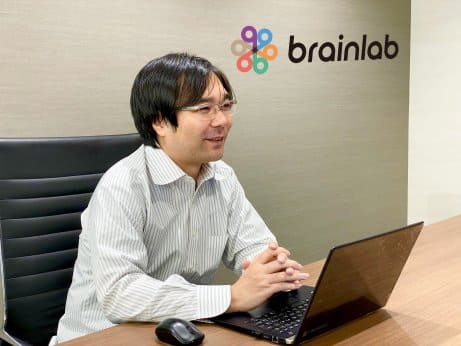
We spoke with Mr. Taoka, Manager of Dev.1 GRP, Development Department.
Q: What originally led you to consider offshore development?
Mr. Taoka: Even before partnering with VNEXT, offshore development was already familiar to us. Brain Lab's parent company, Zigen, operates an offshore software development subsidiary (Ventura) in Vietnam. Back when I was at Zigen, I visited Ho Chi Minh City as a project manager.
Through Ventura, I built connections with local IT firms and exchanged insights on how to make offshore development projects successful. Later on, Brain Lab even contracted some of those same local teams for our own engineering initiatives. While we had always relied on external engineering support, our system investments surged in recent years due to package modernizations and new business launches. We needed access to a larger pool of skilled IT talent. Alongside domestic partners and freelancers, offshore development became a natural strategic choice.
Q: What criteria do you use when selecting a software development partner?
Mr. Taoka: Ease of collaboration is our top priority. We build B2B web applications, so we don't necessarily require hyper-niche, bleeding-edge tech stacks. Instead, web platforms like "CAREER PLUS" and "MatchinGood", used daily by hundreds of corporate clients, demand absolute stability and consistent quality. Therefore, we evaluate potential partners on their ability to ensure smooth, reliable software development execution rather than raw technical flair.
We initiated our partnership with VNEXT because my predecessor had previously worked with them at a former company. Having that established trust and firsthand knowledge of VNEXT's track record made it an easy decision.
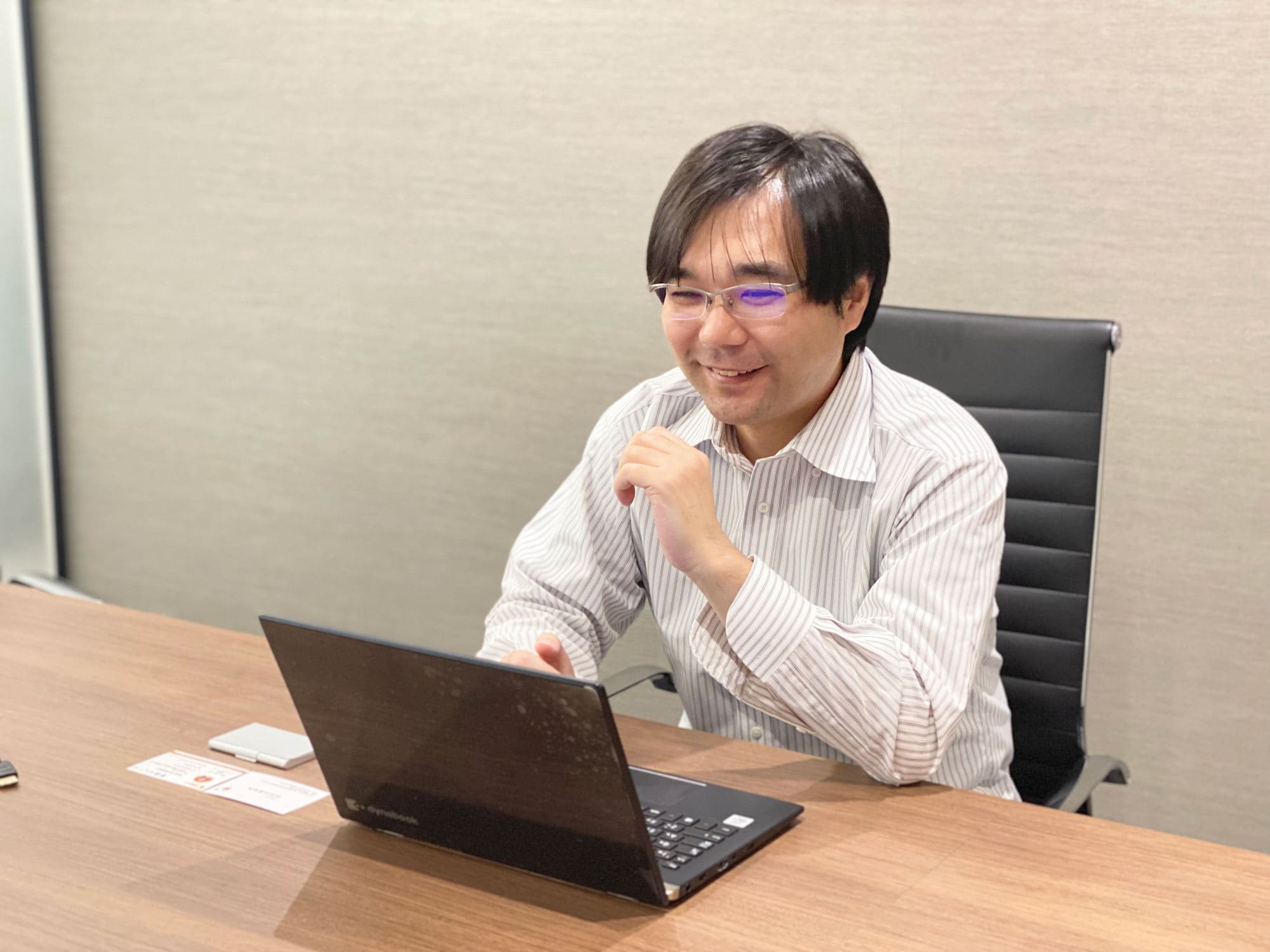
Mr. Taoka - Manager of Dev.1 GRP - Development Department at Brain Lab
Q: What specific software development tasks did you delegate to VNEXT?
Mr. Taoka: VNEXT has supported us with quality assurance testing for CAREER PLUS, testing and custom module development for MatchinGood, and early-stage MVP construction for a new product venture. On our end, a planner and I lead the initiatives, while VNEXT assigns dedicated teams of 10+ engineers per project. Given the domestic shortage of IT talent in Japan, having instant access to a reliable, pre-assembled team of skilled engineers is a massive advantage for our offshore software development strategy.
We are currently discussing additional upcoming projects with VNEXT. Thanks to the close relationship between Mr. Son (CEO of VNEXT Vietnam) and Mr. Nakae (CEO of Brain Lab), our companies maintain a strong and open line of communication.
Q: How would you rate VNEXT’s software development quality?
Mr. Taoka: VNEXT's QA and testing team is our primary touchpoint, and their dedication is exceptional. Given the nature of enterprise B2B software, search parameters and test scenarios are exceptionally complex and vast. The team handles every detail with meticulous care.
In fast-paced software development cycles, code changes often push right up against release deadlines, or business stakeholders request last-minute adjustments that require immediate re-testing. Despite aggressive timelines, VNEXT always approaches every request with sincerity and rigorous attention to detail, consistently safeguarding our final product quality. We are deeply grateful for their commitment.
Last year, when we launched a new product on a tight schedule with evolving specifications, VNEXT brought immense horsepower to complete the build rapidly. Their speed, agility, and professional attitude left a lasting impression on our entire team.
Q: How was the communication experience with VNEXT's offshore team?
Mr. Taoka: Our main points of contact are Japanese-speaking Bridge Software Engineers (BrSE) stationed in Japan, all of whom are exceptionally professional. Their high Japanese fluency means communication is virtually effortless. The only times we ever need deeper discussions are when explaining complex domain-specific logic, such as Japanese payroll, tax calculations, or withholdings for staffing agencies.
Whenever misunderstandings arise, we make sure to explain the business context clearly. Since Brain Lab maintains an in-house engineering team, we actively absorb and resolve highly complex requirements together rather than passing blame. We never operate under a rigid "we paid for it, so fix it no matter what" mindset; we prioritize flexibility and mutual respect.
In my experience managing multiple offshore development initiatives, project success heavily relies on the BrSE's language proficiency and the client's willingness to collaborate. Brain Lab has been fortunate to work with top-tier BrSEs from VNEXT.
Q: How did you adapt during the shift to full-remote software development?
Mr. Taoka: The pandemic accelerated the adoption of full-remote engineering. Around the same time, we opened a new office in Okinawa, making distributed team collaboration second nature to us. Even when our employees moved to work-from-home and our resident BrSE shifted to remote work, our daily operations continued without a single hitch.
When managing remote offshore development teams, I consciously avoid micromanagement. Once a task is assigned, I trust the team to execute. I don't track hourly activities; instead, I check in frequently on progress and milestone completions.
Q: How do you ensure smooth execution in offshore software development?
Mr. Taoka: The real challenge is communicating complex requirements effectively. People often say, "You must lock down 100% of your specifications before starting offshore development." While detailed documentation is ideal, real-world software development rarely happens in a vacuum, specifications evolve dynamically. Admittedly, documentation isn't our strongest suit (laughs), so we occasionally hand over evolving specs to VNEXT. We bridge that gap through continuous, high-frequency communication.
In offshore development, the BrSE translates requirements into actionable technical tasks for the engineering team in Vietnam. Providing the BrSE with clear context is essential. We maintain daily morning stand-ups to align on goals and ensure everyone understands the bigger picture.
Furthermore, we intentionally dissolve the boundary between "internal employees" and "external vendors." Creating rigid silos like "that's your job, this is ours" prevents teams from identifying risks early. Open communication empowers engineers to raise issues proactively. In remote environments, maintaining regular touchpoints ensures every team member feels like a valued collaborator working toward a single, shared goal.
Q: What, in your view, is the secret to successful offshore development collaboration?
Mr. Taoka: Don't set your expectations or hurdles too high at the start. Begin with small, lean tasks. If you overthink things simply because it's "offshore," the project can easily hit a dead end. Just dive into the real work, and you'll find the right path forward on your own.
The second point is not to weigh cost too heavily. Many companies turn to offshore development purely to trim their budgets, but choosing a partner on price alone often leads to friction midway through the project. Optimized labor costs let you scale up the number of engineers, yet a larger headcount doesn't automatically mean better results. Choose a partner based on their willingness to walk alongside you and collaborate for the long term, the same way you would choose a trusted technology partner in your own country.
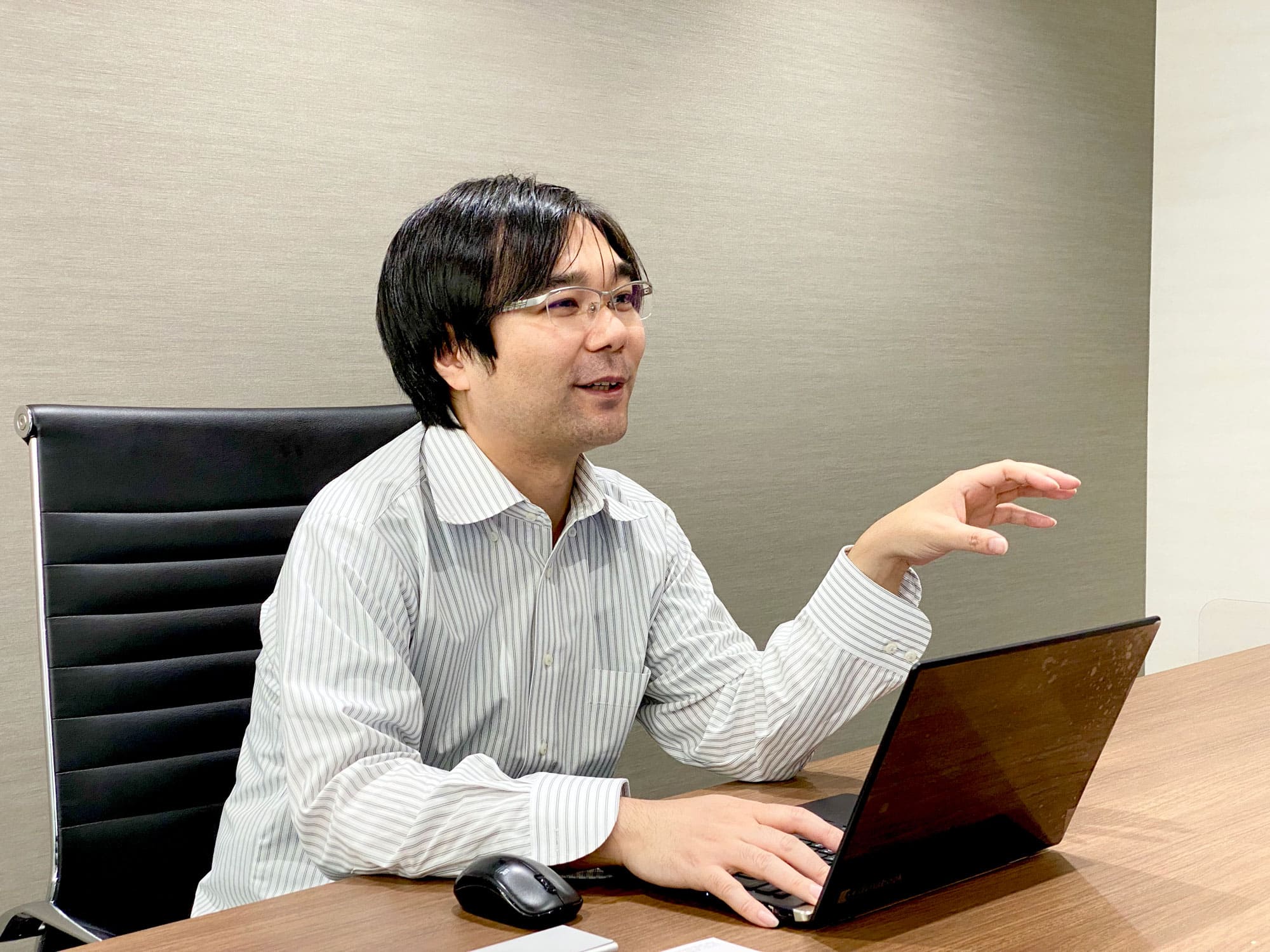
The key to successful offshore development is not to overthink it
Q: What are your expectations for VNEXT in the future?
Mr. Taoka: We look forward to tackling more complex technological challenges alongside VNEXT. As a B2B web software provider, deep advanced engineering isn't always our core internal focus. Having a high-tech external partner allows us to unlock new business opportunities. We hope VNEXT will continue to empower us with robust technical expertise as we explore new frontiers together.
***
About VNEXT HOLDINGS
Evolving from VNEXT SOFTWARE, founded in 2008, VNEXT HOLDINGS is a trusted AI-augmented software development and digital transformation (DX) partner. Headquartered in Vietnam with representative offices in Japan, our team of over 550 specialists has delivered more than 800 projects for over 400 clients across the Asian market, with expertise spanning custom web and app development, AI and ML, blockchain, enterprise system solutions, SAP ERP, legacy modernization, and offshore development.
Drawing on deep experience across manufacturing, retail, healthcare, finance and fintech, logistics, and education, we apply globally recognized standards to help enterprises modernize, scale, and compete with confidence. Committed to supporting businesses at every stage of their DX journey, VNEXT HOLDINGS combines AI-powered services and solutions with an AI-augmented workforce to deliver greater speed, scalability, and quality.